

13-10-2026
ADA MED SUPPLY LIMITED
Article tag: BIX-A1044 female torso model 42cm female torso anatomy model 15 part human torso model female viscer
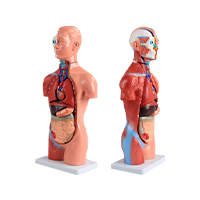
Short answer: The BIX-A1044 is a 42 cm female torso model divided into 15 removable parts. The set includes the trunk, a two-part head, brain, two lungs, a two-part heart, stomach, liver, pancreas and spleen, kidney, intestine, and the female reproductive organs. It is made of PVC and mounted on a plastic seat. The model is quoted on request.
Key takeaways
| Structure | Parts supplied |
|---|---|
| Trunk | 1 |
| Head | 2 |
| Brain | 1 |
| Lungs | 2 |
| Heart | 2 |
| Stomach | 1 |
| Liver | 1 |
| Pancreas and spleen | 1 |
| Kidney | 1 |
| Intestine | 1 |
| Female reproductive organs | Included |
| Material and mount | PVC, placed inside a plastic seat |
| Size | 42 cm |
Anatomy taught from a diagram teaches sequence; anatomy taught from a model teaches relationships. When a student lifts the two-part heart out of a torso and has to put it back so the lungs, oesophagus and great vessels sit correctly, the spatial constraint is doing the teaching.
The evidence for the format is consistent. The meta-analysis of comparative studies by Yammine and Violato found measurable benefit for physical models in anatomy teaching [1], and a controlled comparison reported that three-dimensional physical models are superior to two-dimensional computer presentations for learning anatomy [2]. A randomised study in nursing students found that instructional design that manages cognitive load improves anatomy learning outcomes — which is the argument for keeping to one system at a time with a model like this rather than unpacking everything at once [3].
Q1. What is the BIX-A1044?
It is a 42 cm female torso model divided into 15 removable parts, used for teaching human anatomy.
Q2. How many parts does it have?
Fifteen, including a two-part head, brain, two lungs, a two-part heart, stomach, liver, pancreas and spleen, kidney, intestine and the female reproductive organs.
Q3. What is it made of?
PVC, placed inside a plastic seat.
Q4. How tall is the model?
The product page gives the size as 42 cm.
Q5. Is it suitable for nursing and clinical-skills teaching?
Yes. The removable viscera make it suitable for systematic anatomy, nursing fundamentals and physical-assessment teaching where organ relationships must be demonstrated.
Q6. How do I get a price or a bulk quotation?
Email adacpr@adaanatomy.com with the model (BIX-A1044), the quantity you are considering and your destination port; our export team will reply with pricing, lead time and configuration details.
Email adacpr@adaanatomy.com for the BIX-A1044 price list and shipping details. If your programme covers both sexes, the same torso range includes male and both-sex models and larger 85 cm versions, so a departmental set can be specified in a single order.